A beautiful deck is more than just a place to relax outdoors. It is a carefully engineered structure made up of multiple components that work together to provide strength, safety, durability, and style. Understanding the anatomy of a deck can help homeowners make smarter decisions about repairs, upgrades, maintenance, and new deck construction.
Whether you are planning a brand-new deck or simply want to understand how your current deck is built, learning the anatomy of a deck gives you a clearer picture of how every part contributes to the overall structure.
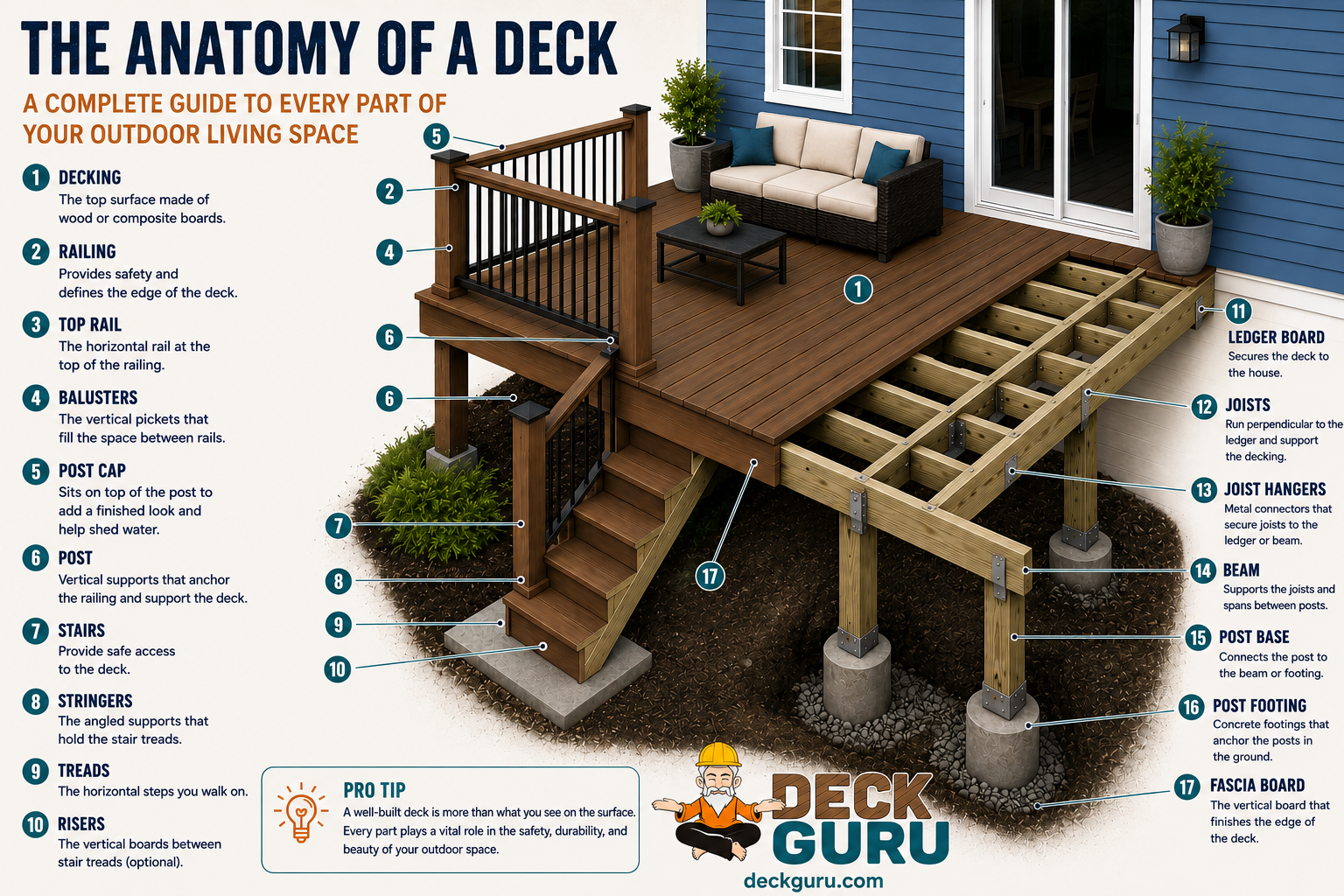
Below is the labeled anatomy of a deck diagram from Deck Guru that we will reference throughout this guide.
Anatomy of a Deck
Why Understanding the Anatomy of a Deck Matters
Most homeowners focus on the visible features of a deck such as the decking boards, railing style, or stairs. While appearance is important, the hidden structural components underneath the surface are what determine how safe and long-lasting the deck will be.
Understanding the anatomy of a deck can help you:
- Identify signs of wear or structural issues
- Communicate more effectively with contractors
- Choose better materials for your climate and lifestyle
- Understand deck maintenance needs
- Make informed renovation decisions
- Improve deck safety for your family and guests
At Deck Guru, we believe educated homeowners make better investments in their outdoor spaces. That starts with knowing how a deck is built from the ground up.
1. Decking
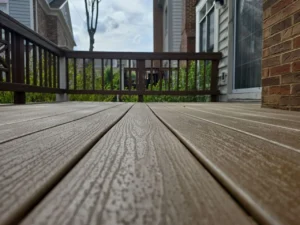
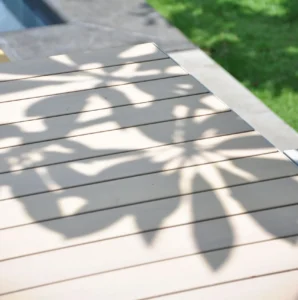
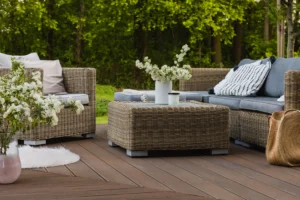
Decking is the top surface of the deck where people walk, gather, and place furniture. These boards are the most visible portion of the entire structure.
Decking materials commonly include:
- Pressure-treated wood
- Cedar
- Redwood
- PVC decking
- Composite decking
Composite decking, such as Trex, has become increasingly popular because it requires less maintenance and resists rot, fading, and insect damage better than traditional wood.
The decking boards are attached directly to the joists underneath. Proper spacing between boards allows water drainage and airflow, which helps extend the lifespan of the deck.
Signs Your Decking May Need Attention
Watch for these common issues:
- Cracked or splintered boards
- Soft spots from moisture damage
- Loose fasteners
- Fading or discoloration
- Mold or mildew buildup
- Warped or cupped boards
Routine cleaning and inspections can help prevent small issues from turning into costly repairs.
2. Railing
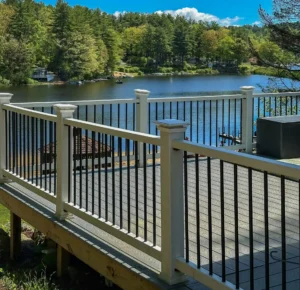
Deck railings serve both functional and aesthetic purposes. They improve safety by preventing falls and also help define the look of the outdoor space.
Railings are typically required for elevated decks and must meet local building code requirements for height and spacing.
Popular railing materials include:
- Wood
- Aluminum
- Steel
- Composite
- Cable rail systems
- Glass panels
Choosing the right railing depends on your desired appearance, maintenance preferences, and budget.
Modern railing systems often combine multiple materials for a more customized appearance. For example, many homeowners pair composite posts with aluminum balusters for a clean and contemporary look.
3. Top Rail
The top rail is the horizontal section at the top of the railing system. While it may seem simple, the top rail plays an important structural role.
A properly installed top rail helps:
- Strengthen the railing system
- Provide a comfortable handhold
- Improve safety on stairs
- Complete the finished appearance of the deck
Many homeowners also use the top rail as a functional surface for drinks, outdoor lighting, or decorative accents.
4. Balusters
Balusters are the vertical pieces positioned between the top and bottom rails. Their primary purpose is safety, preventing large openings that someone could fall through.
Baluster spacing is regulated by local building codes. In most cases, openings cannot exceed four inches.
Balusters come in a wide range of styles, including:
- Traditional wood pickets
- Powder-coated aluminum
- Cable systems
- Glass panels
- Decorative metal designs
The choice of balusters can dramatically impact the overall design style of the deck.
5. Post Caps
Post caps sit on top of railing posts and serve both decorative and practical purposes.
Benefits of post caps include:
- Protecting posts from moisture intrusion
- Reducing cracking and splitting
- Adding visual detail
- Supporting deck lighting systems
Many homeowners choose solar-powered post cap lights to improve nighttime visibility and ambiance.
While small, post caps help extend the lifespan of wood railing posts by preventing water from soaking into exposed end grain.
6. Posts
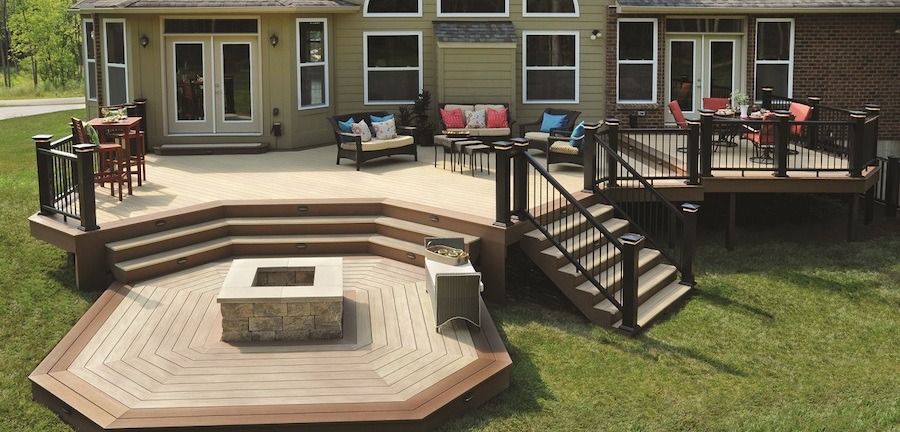
Posts are vertical structural supports that transfer weight from the deck to the footings below.
Deck posts support:
- Beams
- Railings
- Stair structures
- Overall deck stability
Posts are often made from pressure-treated lumber or steel, depending on the deck design and engineering requirements.
Properly installed posts are critical for long-term structural integrity. Weak or undersized posts can compromise the safety of the entire deck.
7. Stairs
Deck stairs provide access between the deck surface and the yard below. Well-designed stairs improve both safety and convenience.
Several factors influence stair construction, including:
- Rise height
- Tread depth
- Width
- Handrail requirements
- Lighting
Poorly built stairs are one of the most common deck safety hazards. Uneven stair heights or loose treads can quickly become dangerous.
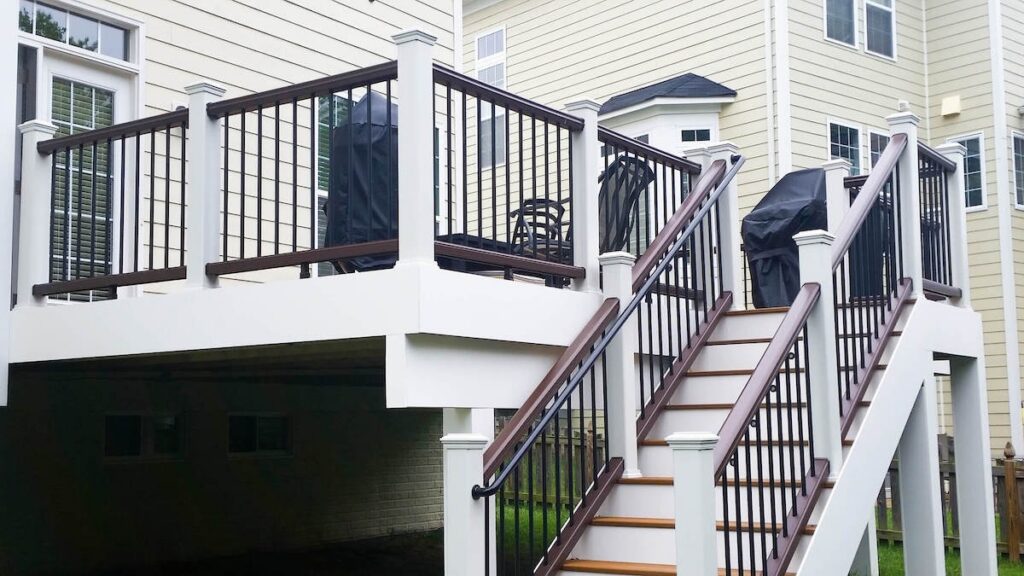
Features That Improve Deck Stair Safety
Here are a few upgrades that improve both function and appearance:
- Slip-resistant stair treads
- LED stair lighting
- Contrasting stair edges for visibility
- Secure handrails
- Wider stair landings
A professionally designed staircase can become one of the most visually impressive features of an outdoor living space.
8. Stringers
Stringers are the angled framing members that support the stair treads and risers.
These structural components carry the weight of everyone using the stairs, making precise cuts and installation extremely important.
There are several types of stair stringers:
- Cut stringers
- Closed stringers
- Routed stringers
- Steel stair framing systems
Proper spacing and attachment are essential for preventing stair bounce or sagging over time.
9. Treads
Treads are the horizontal surfaces you step on while using the stairs.
The quality of stair treads directly impacts safety and comfort. Treads should provide adequate traction and resist moisture buildup.
Common tread materials include:
- Pressure-treated wood
- Composite decking boards
- PVC materials
- Hardwood decking
Composite treads are becoming more common because they resist splintering and require less upkeep than wood.
10. Risers
Risers are the vertical boards located between stair treads. Some decks use open risers while others use closed risers for a more finished appearance.
Closed risers can help:
- Improve stair appearance
- Prevent debris buildup
- Increase safety for children and pets
- Create a more polished design
Building codes often regulate the maximum opening allowed between stair treads.
11. Ledger Board
The ledger board is one of the most critical structural components in the anatomy of a deck.
This board attaches the deck framing directly to the home. It creates the primary connection point between the deck and the house structure.
Improper ledger installation is one of the leading causes of deck collapses.
A properly installed ledger board should include:
- Structural lag bolts or through bolts
- Flashing to prevent water intrusion
- Proper spacing and attachment methods
- Code-compliant fasteners
Moisture damage around the ledger area can lead to serious structural issues if not addressed quickly.
12. Joists
Joists are horizontal framing members that support the decking boards above.
They run perpendicular to the ledger board and distribute weight evenly across the structure.
Joist spacing depends on factors such as:
- Decking material
- Board orientation
- Expected load capacity
- Local building codes
Common spacing configurations include:
- 12 inches on center
- 16 inches on center
- 24 inches on center
Composite decking often requires tighter joist spacing than traditional wood decking.
Common Joist Problems
Over time, joists may develop issues such as:
- Rot
- Insect damage
- Sagging
- Cracking
- Fastener corrosion
Regular inspections beneath the deck can help identify structural concerns early.
13. Joist Hangers
Joist hangers are metal connectors that secure joists to the ledger board or beams.
Although relatively small, these connectors are essential for structural safety.
High-quality joist hangers help:
- Prevent joist movement
- Improve load distribution
- Resist uplift forces
- Strengthen framing connections
Modern joist hangers are typically galvanized or coated to resist corrosion from moisture exposure.
Using the wrong fasteners with joist hangers can weaken the entire connection system, so proper hardware matters.
14. Beam
Beams are large horizontal supports that carry the weight of the joists and transfer loads to the posts and footings below.
Beams often consist of multiple layers of dimensional lumber fastened together for added strength.
The beam size depends on:
- Deck size
- Span length
- Weight loads
- Engineering requirements
Beams play a major role in preventing deck sagging and movement.
15. Post Base
Post bases connect the deck posts to the concrete footings below.
These metal connectors help protect wood posts from direct ground contact and moisture exposure.
Benefits of post bases include:
- Improved structural stability
- Reduced moisture damage
- Better load transfer
- Longer post lifespan
Modern building codes often require approved post base hardware for elevated decks.
16. Post Footings
Post footings are the concrete foundations that anchor the deck into the ground.
Footings distribute the weight of the deck and help prevent settling or shifting.
The size and depth of footings depend on:
- Soil conditions
- Frost line depth
- Deck size
- Local building codes
Improper footings can lead to major structural problems over time, including leaning, sinking, or unstable framing.
In colder climates, footings must extend below the frost line to prevent movement caused by freeze-thaw cycles.
17. Fascia Board
The fascia board is the vertical finishing board attached around the perimeter of the deck.
It helps conceal framing components while creating a cleaner finished appearance.
Fascia boards can also:
- Protect framing edges
- Improve moisture resistance
- Support lighting systems
- Enhance curb appeal
Many modern composite deck systems use matching fascia boards for a seamless appearance.
How All Deck Components Work Together
The anatomy of a deck is similar to the anatomy of a home. Every part serves a specific purpose, and each component relies on the others for overall performance.
Here is a simple breakdown of how the structure works:
- Footings anchor the deck into the ground
- Posts transfer loads downward
- Beams support the framing system
- Joists distribute weight across the deck
- Decking creates the usable walking surface
- Railings and stairs improve safety and access
If one component fails, it can affect the performance and safety of the entire structure.
That is why professional design, proper installation, and routine maintenance are so important.
Deck Maintenance Tips for Long-Term Performance
Even the best-built deck requires ongoing care to maintain its appearance and structural integrity.
Basic Deck Maintenance Checklist
- Clean the deck surface regularly
- Inspect for loose fasteners
- Check for signs of rot or moisture damage
- Wash away mold and mildew
- Examine railings for movement
- Inspect flashing around the ledger board
- Look for cracks in footings or posts
- Reseal wood decks as needed
Annual inspections can help extend the lifespan of your deck and prevent expensive repairs.
Choosing the Right Deck Materials
The materials you choose affect everything from maintenance requirements to long-term durability.
Wood Decking
Pros:
- Natural appearance
- Lower upfront cost
- Easy to customize
Cons:
- Requires ongoing maintenance
- More vulnerable to moisture and insects
- Can splinter or crack
Composite Decking
Pros:
- Low maintenance
- Moisture resistant
- Long lifespan
- Fade resistant
Cons:
- Higher initial cost
- Can become warm in direct sunlight
At Deck Guru, we help homeowners compare material options based on their budget, climate, and design goals.
Final Thoughts on the Anatomy of a Deck
Understanding the anatomy of a deck gives homeowners greater confidence when planning a new build, scheduling repairs, or investing in upgrades. Every component plays an important role in the safety, performance, and appearance of the structure.
From the footings below ground to the railings above, a properly designed deck is a combination of engineering, craftsmanship, and thoughtful design.
Whether you want a simple backyard platform or a fully customized outdoor living space, working with experienced professionals ensures every part of your deck is built to perform for years to come.
At Deck Guru, we specialize in creating durable, beautiful decks designed around your lifestyle and your home. If you are ready to upgrade your outdoor space, our team is here to help. Contact our team online or call 571-707-8772 to schedule a free estimate today!
FAQ: Anatomy of a Deck
1. What is the most important structural part of a deck?
The ledger board, footings, beams, and posts are among the most critical structural components because they support the entire deck system.
2. How long does a deck typically last?
A wood deck may last 10 to 20 years with proper maintenance, while composite decks can often last 25 years or more.
3. What is the difference between joists and beams?
Joists support the decking surface, while beams carry the weight of the joists and transfer loads to the posts and footings.
4. Do all decks need railings?
Most elevated decks require railings by code once the deck reaches a certain height above the ground. Requirements vary by location.
5. What is the best decking material for low maintenance?
Composite decking is one of the best low-maintenance options because it resists rot, fading, splintering, and insect damage.