Learn About the Proper Height for Your Deck Railing
When planning a new deck, most homeowners focus on the fun decisions first, choosing decking colors, deciding on layout, and imagining how they’ll use the space. But one of the most important decisions you’ll make is selecting the right railing system.
Deck railings aren’t just a design feature. They play a critical role in safety, helping prevent falls while enhancing the appearance and functionality of your outdoor living space.
If you’re wondering how tall your deck railing needs to be, whether your deck requires a railing at all, or which railing style is right for your home, this guide will help you understand the basics.
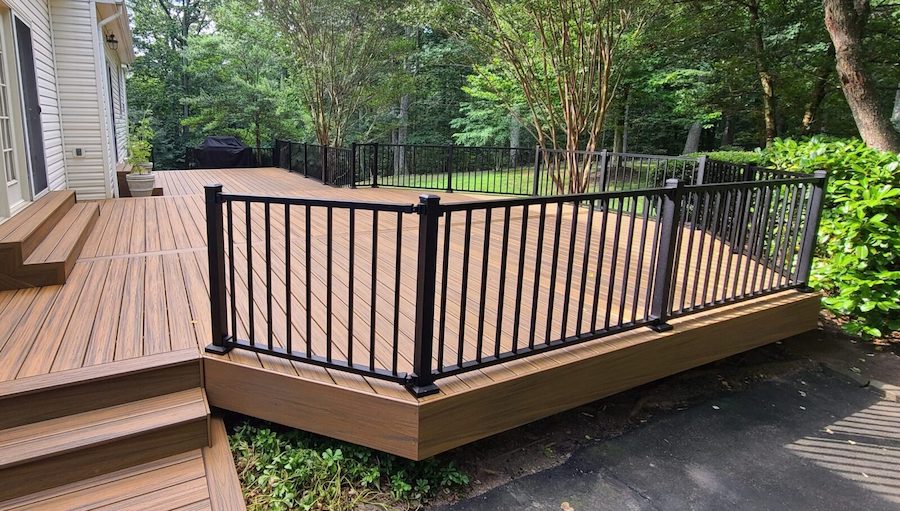
Do You Need a Deck Railing?
One of the most common questions homeowners ask is whether a deck railing is required.
In most cases, residential building codes require a railing when a deck is more than 30 inches above the ground. This measurement is taken from the walking surface of the deck to the grade below.
While decks lower than 30 inches often don’t require railings, many homeowners still choose to install them for added safety and peace of mind.
Why Install a Railing Even If It’s Not Required?
There are several situations where a railing may still be a smart investment:
- Families with young children
- Homes with pets
- Older adults or individuals with mobility concerns
- Decks built over concrete patios or hard surfaces
- Areas frequently used for entertaining
Even a relatively short fall can result in injuries, which is why many homeowners prefer the added protection a railing provides.
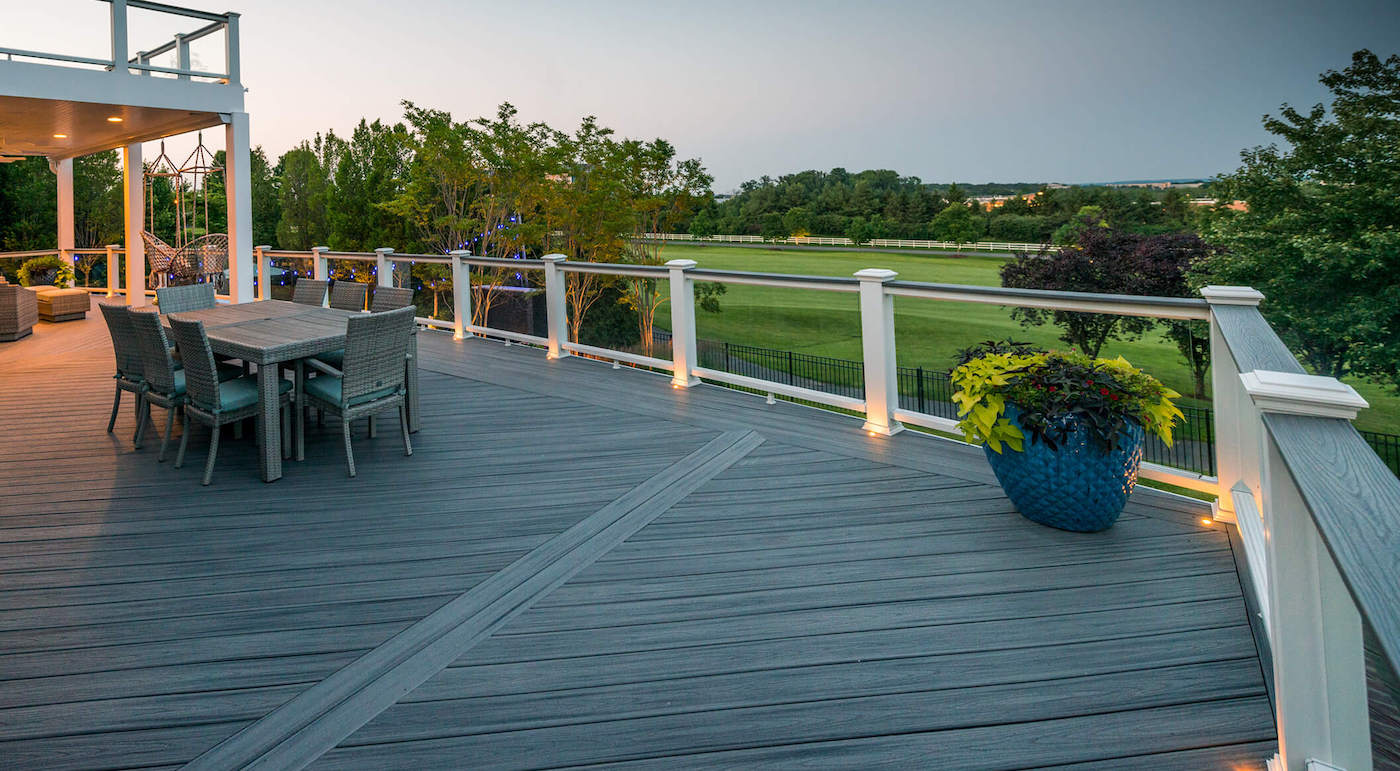
What Is the Standard Deck Railing Height?
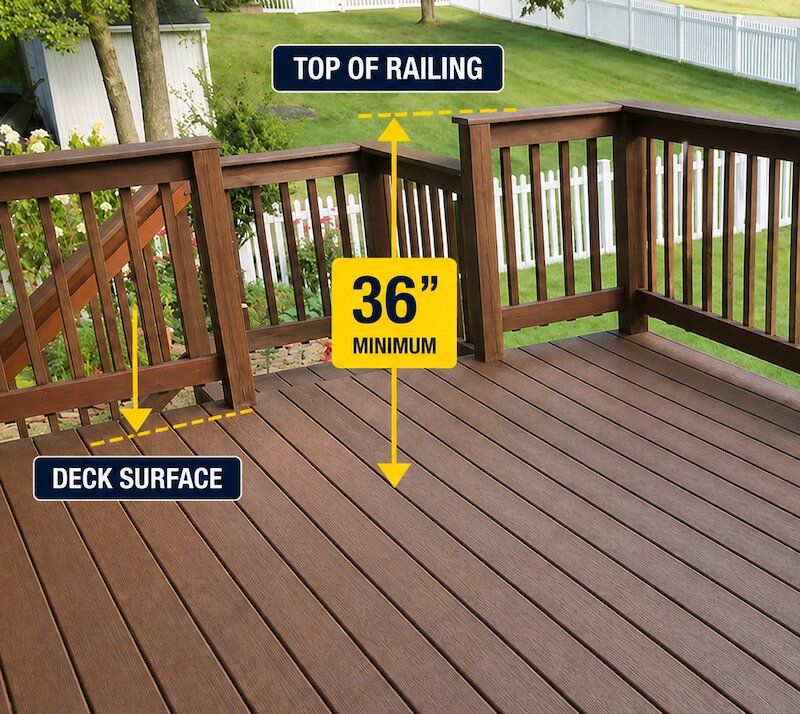
For most residential decks in the United States, the minimum required railing height is 36 inches.
This measurement is taken from the deck surface to the top of the railing.
The purpose of the height requirement is simple: it helps prevent accidental falls while still allowing homeowners to enjoy unobstructed views and comfortable use of their outdoor space.
When Are 42-Inch Railings Required?
Some states and municipalities require taller railings.
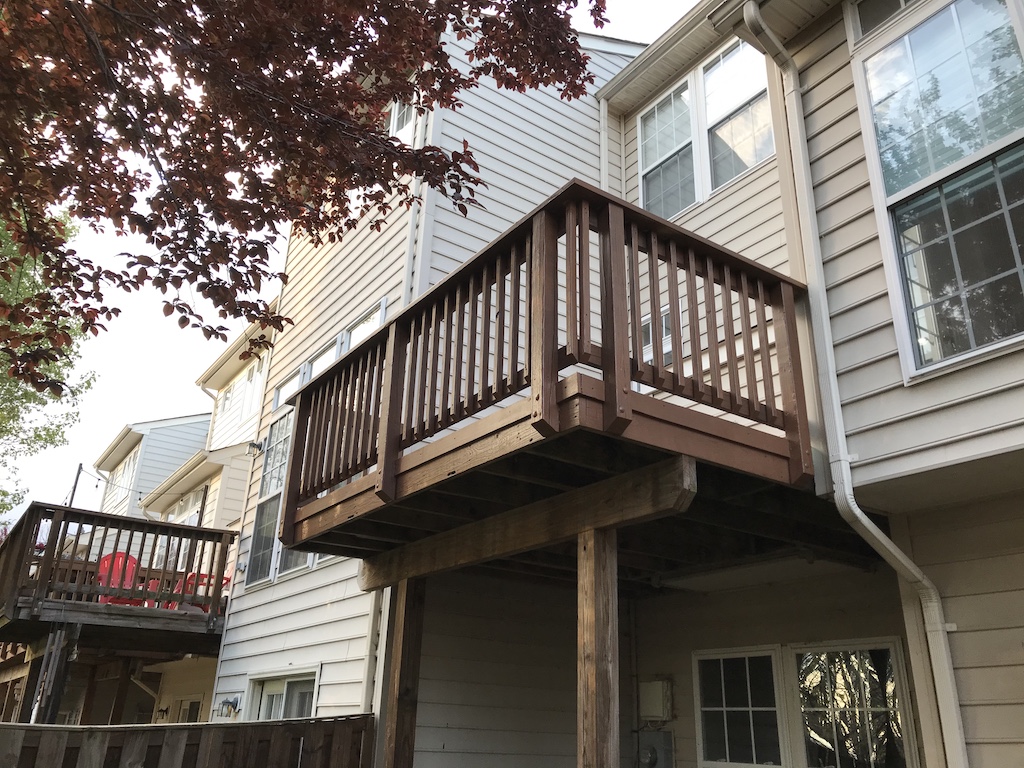
For example, California and several other jurisdictions require residential deck railings to be at least 42 inches high. Commercial properties, apartment buildings, and certain multi-family structures often have stricter requirements as well.
Because local building codes can vary, it’s always important to verify requirements before beginning construction.
Reasons to Choose a Taller Railing
Even when local code allows a 36-inch railing, some homeowners choose a taller system for additional benefits.
A taller railing may make sense if:
- Your deck is significantly elevated
- You have small children
- You want additional privacy
- Your property experiences strong winds
- You want to create a more enclosed outdoor living space
The right railing height should balance safety, comfort, and aesthetics.
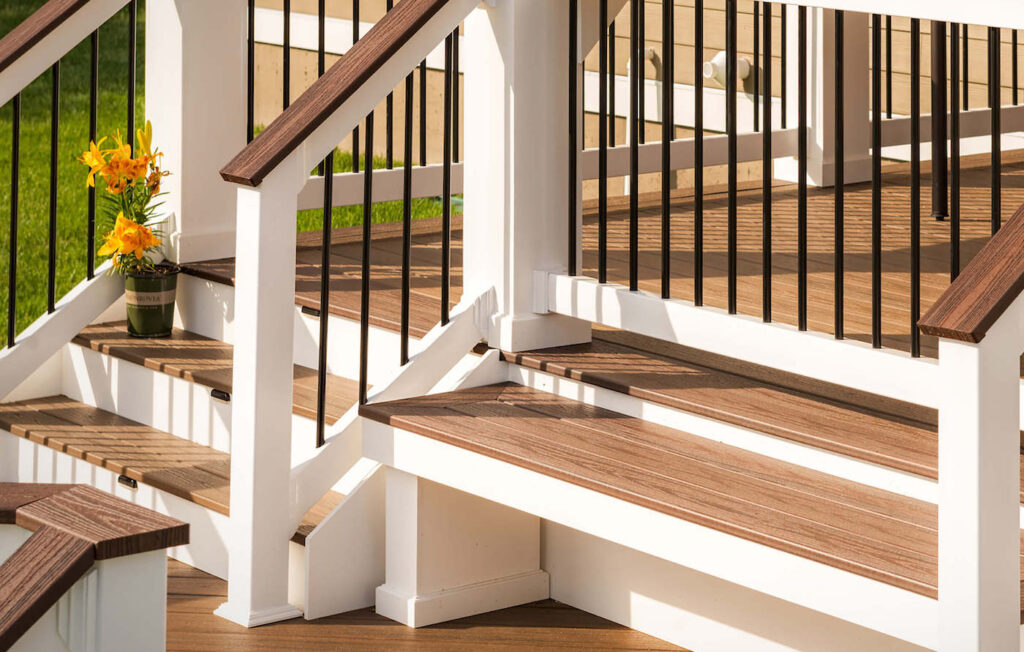
Deck Stair Railing Height Requirements
Deck stairs follow different guidelines than level deck surfaces.
Because stairs present a greater fall risk, building codes typically require stair railings to be installed at a height between 34 and 38 inches when measured from the front edge of each stair tread.
This range provides comfortable support while maintaining safety as people move up and down the stairs.
Additional Stair Safety Considerations
A properly designed stair system involves more than just handrails.
Safety depends on:
- Consistent step height
- Consistent tread depth
- Secure handrails
- Adequate stair width
- Proper lighting
When these elements work together, stairs become safer and easier to use for everyone.
Understanding Baluster and Railing Spacing Requirements
Height is only one part of deck railing safety.
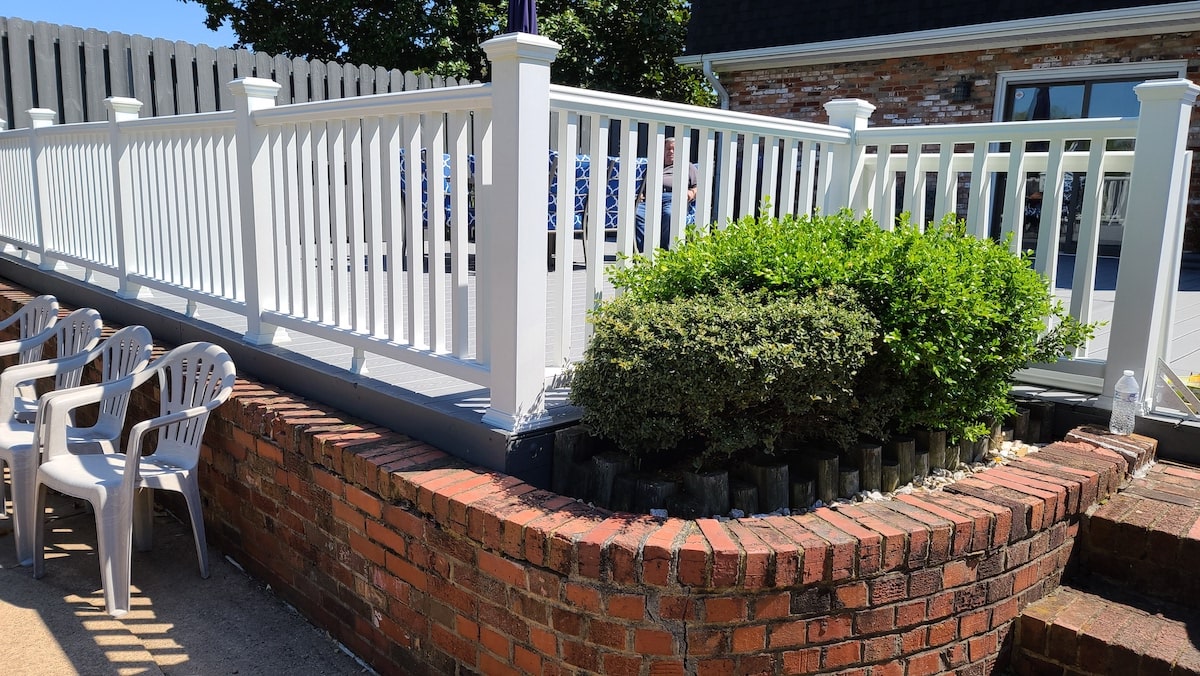
Building codes also regulate the spacing between balusters, which are the vertical components that fill the space between railing posts.
What Is the 4-Inch Rule?
A common code requirement states that a 4-inch sphere should not be able to pass through any opening in the railing system.
This means gaps between:
- Balusters
- Posts and balusters
- The deck surface and bottom rail
must generally be smaller than four inches.
Why Does This Rule Exist?
The purpose is to protect children and pets.
Openings that are too large create the risk of someone slipping through the railing or becoming trapped.
Most modern railing systems are engineered to meet these requirements while maintaining attractive sightlines and visual appeal.
Special Rules for Deck Stairs
Deck stairs have slightly different spacing requirements.
The triangular opening between the stair tread, riser, and bottom rail can typically be larger than standard railing openings, though limitations still apply.
These guidelines help maintain safety while accommodating the unique geometry of stair construction.
How Strong Does a Deck Railing Need to Be?
Many homeowners are surprised to learn that deck railings must meet specific strength standards in addition to height requirements.
A railing isn’t simply decorative—it must be capable of resisting substantial force.
Whether someone leans against it, grabs it for support, or accidentally falls into it, the railing must remain secure.
Why Proper Installation Matters
Even the highest-quality railing system can fail if it’s installed incorrectly.
Common issues include:
- Weak post connections
- Improper fasteners
- Incorrect spacing
- Inadequate structural support
Professional installation helps ensure the railing performs as intended and meets local code requirements.
Popular Deck Railing Materials
Today’s homeowners have more railing choices than ever before.
Each material offers a different balance of style, maintenance, durability, and cost.
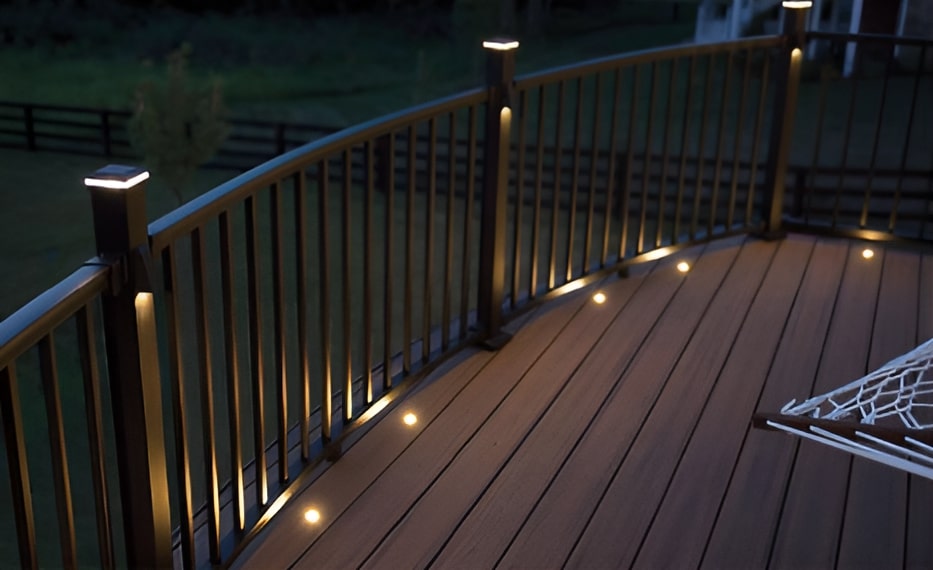
Composite Railings
Composite railings are one of the most popular choices for modern decks.
Benefits include:
- Low maintenance
- Long lifespan
- Resistance to rot and insects
- Wide range of colors and styles
Composite systems pair especially well with composite decking for a cohesive appearance.
Aluminum Railings
Aluminum railings offer a sleek, contemporary look.
Homeowners choose aluminum because it is:
- Durable
- Rust resistant
- Lightweight
- Low maintenance
Its slim profile also helps preserve views.
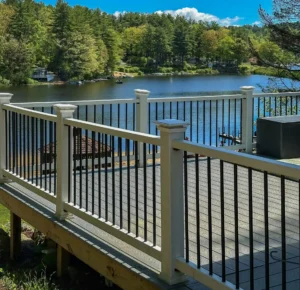
Cable Railings
Cable railings have become increasingly popular in recent years.
The horizontal cable design creates a clean, modern appearance while maximizing visibility.
These systems are especially popular for:
- Elevated decks
- Scenic properties
- Waterfront homes
- Modern architecture
Glass Panel Railings
For homeowners who want unobstructed views, glass railings are often the premium choice.
Benefits include:
- Maximum visibility
- Wind protection
- Modern appearance
- Increased perceived space
Glass railings are particularly popular on decks overlooking wooded lots, golf courses, lakes, or mountain views.
Wood Railings
Wood remains a traditional and budget-friendly option.
Many homeowners appreciate its:
- Classic appearance
- Customization potential
- Natural warmth
However, wood typically requires more maintenance than composite or aluminum alternatives.
Choosing the Right Railing Style for Your Deck
The best railing system depends on how you use your outdoor space and the overall style of your home.
Best Railings for Privacy
Homeowners seeking additional privacy often choose:
- Taller railings
- Decorative privacy panels
- Composite systems with privacy screens
Best Railings for Preserving Views
If your property overlooks a beautiful landscape, consider:
- Cable railings
- Glass railings
- Minimalist aluminum systems
Best Railings for Modern Homes
Contemporary homes often pair well with:
- Cable railings
- Black aluminum railings
- Frameless glass systems
Best Railings for Traditional Homes
Traditional architecture is often complemented by:
- Composite railings
- Decorative aluminum systems
- Classic wood railings
Best Railings for Families with Children and Pets
For households with children or pets, safety and durability are often the highest priorities.
Composite and aluminum systems with standard baluster spacing provide excellent protection while remaining easy to maintain.
Common Deck Railing Mistakes Homeowners Make
Choosing the wrong railing can lead to frustration, unexpected costs, and safety concerns.
Some of the most common mistakes include:
Prioritizing Appearance Over Safety
A beautiful railing is important, but safety should always come first.
Ignoring Local Building Codes
Requirements can vary by municipality, making local compliance essential.
Improper Post Spacing
Posts that are spaced too far apart can compromise the strength of the railing system.
DIY Installation Mistakes
Many railing issues stem from incorrect installation rather than poor materials.
Overlooking Maintenance Requirements
Some railing materials require significantly more upkeep than others.
Understanding maintenance expectations before installation can help homeowners make better long-term decisions.
Frequently Asked Questions About Deck Railings
How high does my deck have to be before I need a railing?
In most areas, railings are required when a deck is more than 30 inches above grade.
Can I install a railing on a ground-level deck?
Absolutely. Many homeowners choose to install railings for additional safety and visual appeal.
Are cable railings code compliant?
Yes, when properly designed and installed according to manufacturer specifications and local code requirements.
What is the safest deck railing option?
Any railing system that meets code requirements and is professionally installed can provide excellent safety. The best option depends on your home’s layout and your family’s needs.
What railing material requires the least maintenance?
Composite and aluminum railings are among the lowest-maintenance options available.
Can I replace my railing without replacing my deck?
In many cases, yes. Upgrading an outdated railing system is a popular way to improve both safety and appearance without rebuilding the entire deck.
How DeckGuru Helps Northern Virginia Homeowners Build Safer Decks
At DeckGuru, we help homeowners throughout Northern Virginia select railing systems that balance safety, style, and long-term durability.
Our team understands local building requirements and can guide you through the process of choosing a railing that complements your home while meeting applicable code standards.
Whether you’re building a brand-new deck or upgrading an older railing system, we’ll help you find the right solution for your property.
Ready to Upgrade Your Deck Railing?
The right railing does more than satisfy code requirements—it helps create a safer, more comfortable outdoor living space that you’ll enjoy for years to come.
If you’re considering a new deck or railing replacement, contact DeckGuru today to schedule a consultation and explore the best railing options for your Northern Virginia home.