When you want more usable outdoor space, two options usually rise to the top: a deck or a patio. Both can create a place for dining, entertaining, grilling, or relaxing, but they are built differently and suit different properties.
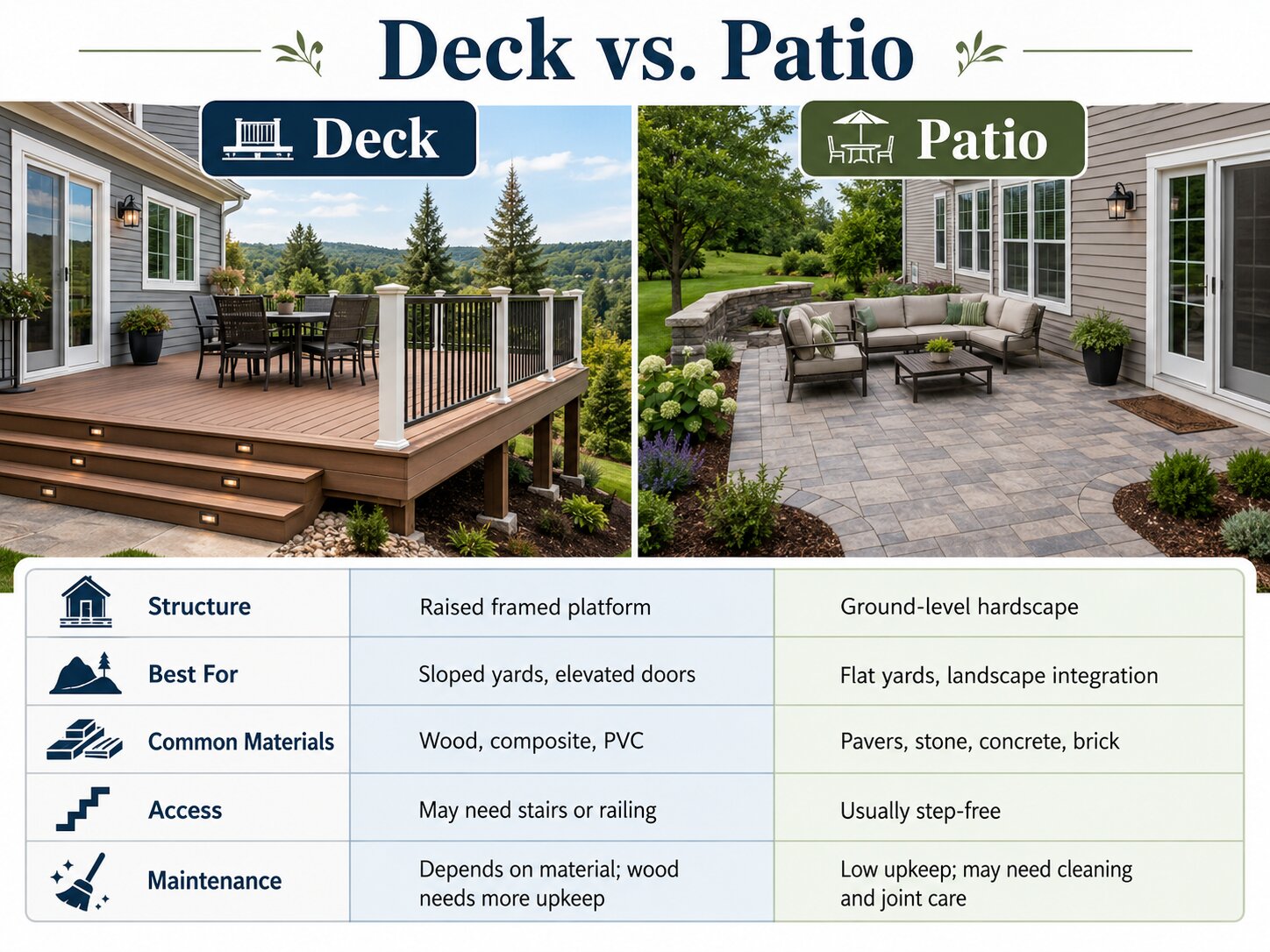
The basic difference between a deck and a patio is structural. A deck is a framed platform supported by posts, beams, joists, and footings. It may sit just above grade or extend from an upper level of the home. A patio is a hardscaped surface, often concrete, brick, stone, or pavers, installed on a prepared base at or near ground level.
For Northern Virginia homeowners, the right choice also depends on yard slope, door elevation, moisture, and seasonal temperature changes.
What Is a Deck?
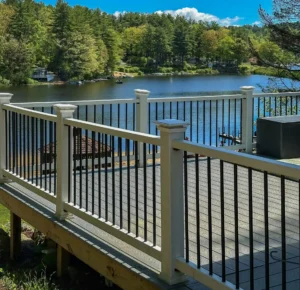
A deck is an outdoor platform built from a structural frame. The walking surface is attached to joists, which transfer weight to beams, posts, and footings. Railings and stairs may be required depending on the deck’s height and local building requirements.
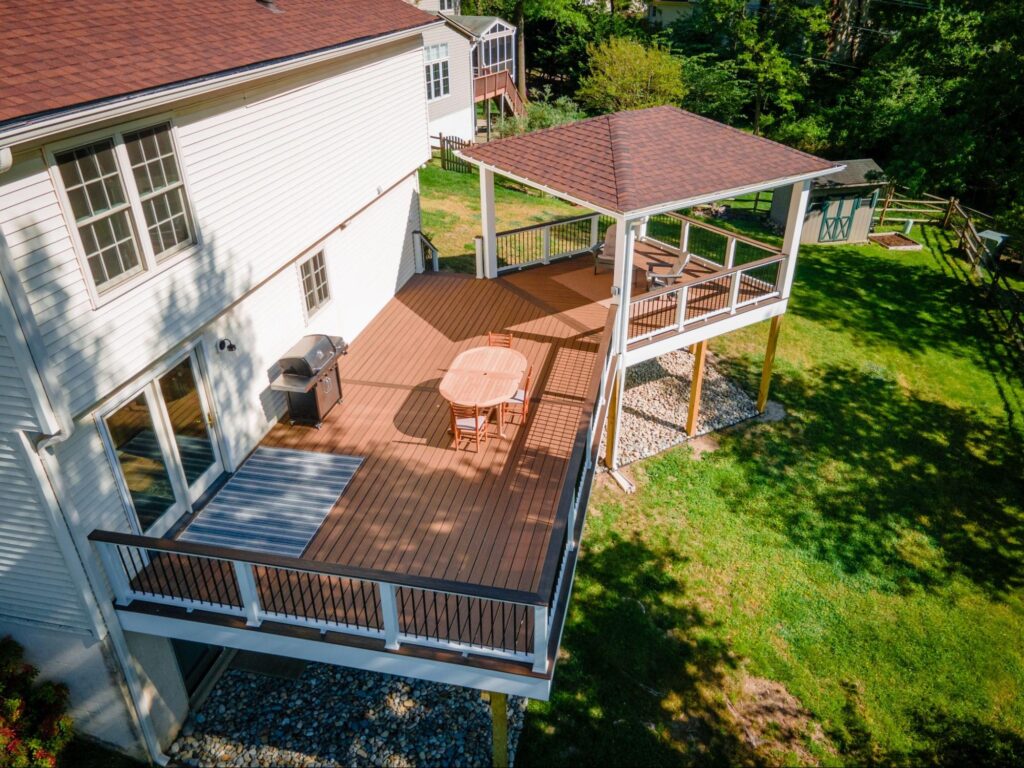
Decks are especially useful when a home sits above the backyard. They create a level outdoor area without requiring the entire site to be excavated. They can also make a sloped yard more functional.
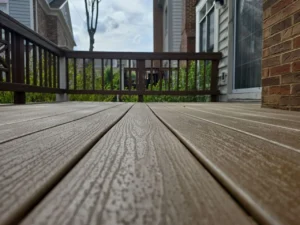
Common materials include pressure-treated lumber, cedar, hardwood, capped composite, and PVC. Wood offers a traditional appearance but generally needs periodic cleaning and refinishing. Composite decking often costs more initially but reduces routine refinishing and avoids problems such as splinters.
What Is a Patio?
A patio is an outdoor surface constructed directly over the ground. Installation may involve excavation, grading, compacted aggregate, bedding material, edge restraints, reinforcement, and drainage provisions.
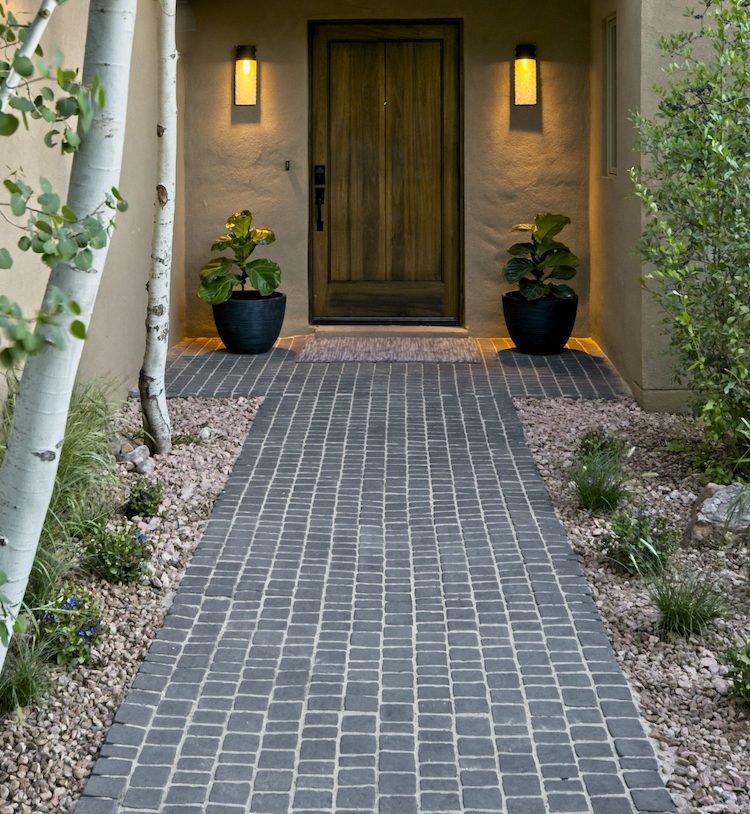
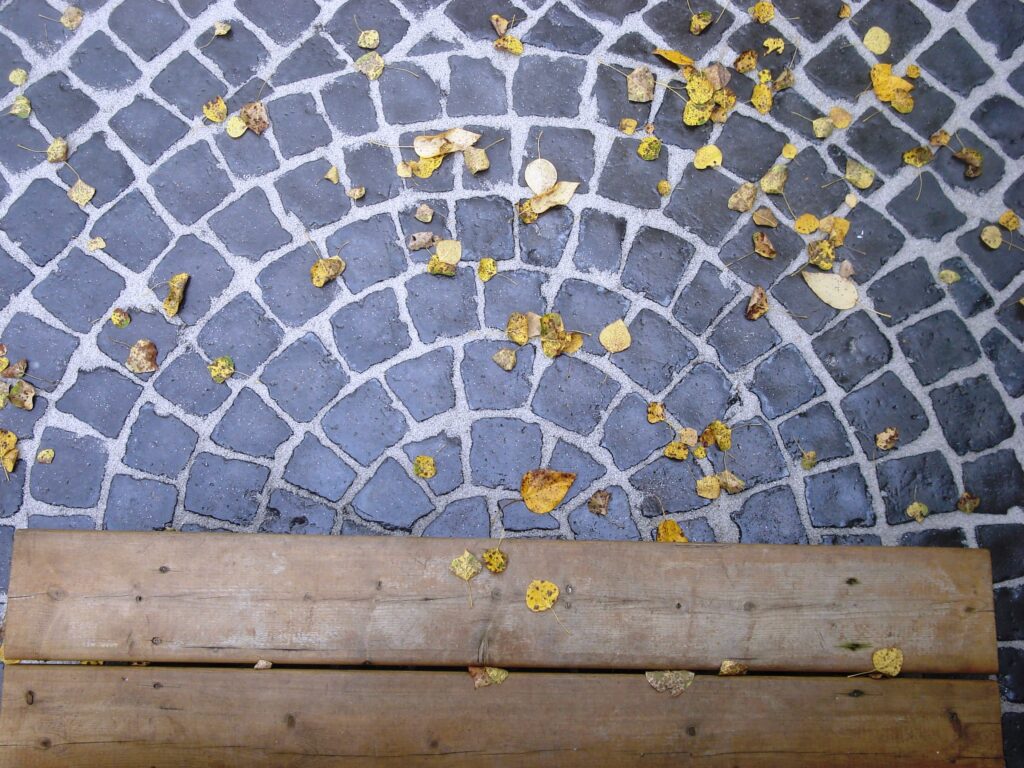
Patios can be made from concrete, pavers, brick, flagstone, porcelain, or other masonry materials. They often blend naturally into gardens, walkways, retaining walls, fire-pit areas, and pool surroundings.
Because patios are normally close to grade, they can provide easy access to the yard. However, “ground-level” does not mean “simple.” Performance depends on base preparation, compaction, drainage, and edge support. Poor installation can lead to settlement, low spots, movement, or cracking.

Deck vs. Patio: Quick Comparison
| Factor | Deck | Patio |
| Construction | Framed structure supported by footings and posts | Hardscape installed over a compacted ground base |
| Elevation | Ground-level, raised, or multi-level | Usually at or near ground level |
| Best suited for | Sloped lots, elevated doors, views, and under-deck space | Flat or gently graded yards and landscape integration |
| Common materials | Pressure-treated wood, hardwood, composite, and PVC | Concrete, brick, natural stone, and concrete pavers |
| Maintenance | Varies by material; wood generally needs more upkeep | Cleaning, joint care, sealing, and occasional leveling or crack repair |
| Accessibility | May require stairs or a ramp | Often easier to make step-free |
| Drainage | Water must drain through and away from the structure | Surface pitch and base preparation are critical |
| Design character | Feels connected to the home | Feels integrated with the yard |
| Permitting | Frequently requires building and zoning review | Varies by location, construction, coverage, and features |
The Most Important Differences Between a Deck and a Patio
1. Structure and Elevation
A deck is a structure; a patio is a surface. That is the clearest distinction.
Decks can bridge elevation changes and create a level area over uneven ground. Patios depend more directly on the soil and base beneath them. A significant slope may require excavation, retaining walls, steps, or terraces before a patio can be installed.
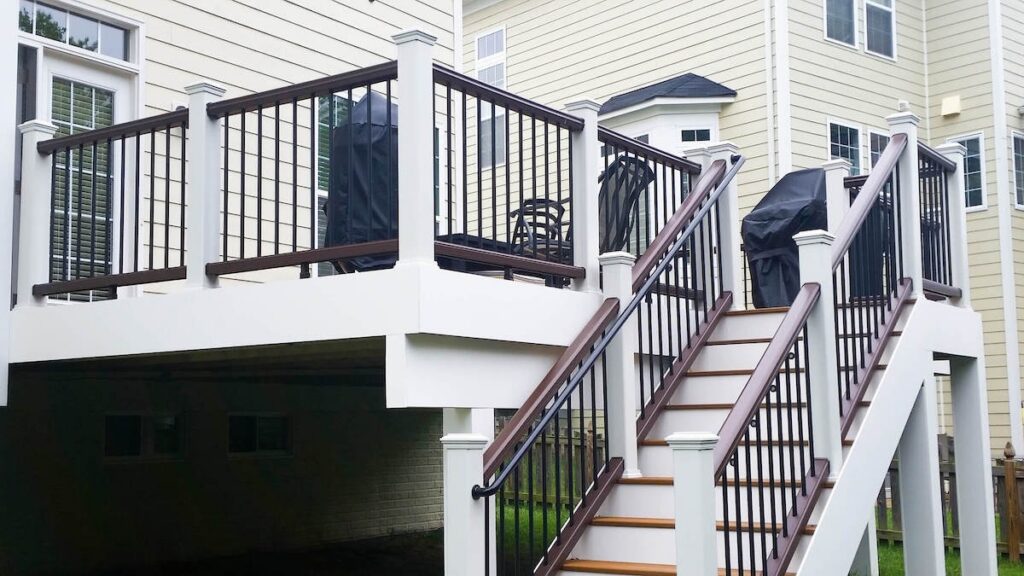
Your exterior door is often the deciding factor. A raised deck can create an easy transition from an elevated door. A patio may be more practical when the door is already close to grade.
2. Relationship to the Landscape
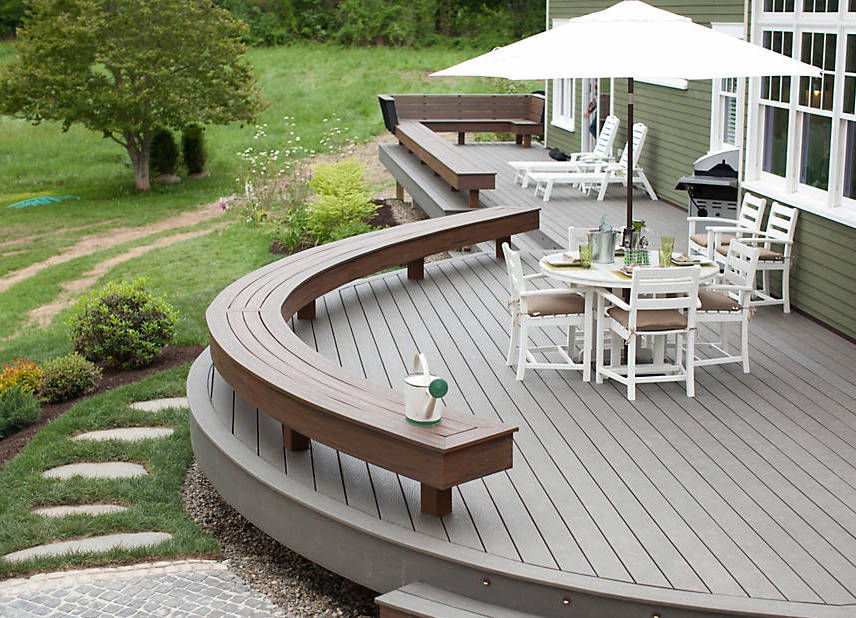
A deck usually feels like an extension of the house. Its shape, railings, stairs, and finish can complement the home’s architecture.
A patio usually feels like part of the landscape. It can curve around planting beds, connect to paths, or create separate zones for dining, a fire feature, and conversation.
The better option depends on whether you want the outdoor room to project from the home or settle into the yard.
3. Upfront and Long-Term Cost
It is misleading to say patios are always less expensive. A basic concrete patio may cost less than an elevated composite deck, but stonework, excavation, retaining walls, drainage, and difficult access can change the comparison.
Deck costs are affected by size, height, stairs, railings, framing, demolition, and material selection. Compare the complete lifecycle rather than only the initial price. A wood deck may start with a lower material cost but require refinishing. Composite may reduce that recurring work. A patio may need less routine care, but pavers can settle and concrete can crack or stain.
4. Maintenance and Repair
Wood decks should be checked for loose fasteners, unstable railings, splitting, moisture damage, and deterioration near connections. Cleaning and protective coatings may also be needed.
Composite boards generally require washing rather than staining, although the frame underneath still needs inspection.
Patio maintenance can include cleaning, replacing joint sand, removing weeds, sealing porous surfaces, resetting pavers, or repairing cracks. Individual pavers may be lifted and reset. Deck boards and rail components can often be replaced without rebuilding the whole structure when the frame remains sound.
5. Comfort, Shade, and Privacy
Decks may provide better views and airflow because they sit above the yard. Railings can support lighting, gates, privacy screens, and built-in features.
Patios can feel more sheltered, especially when surrounded by landscaping. They also work well with masonry seat walls, fire features, and lawn transitions.
6. Drainage and Northern Virginia Weather
Outdoor construction in Northern Virginia must manage water. Deck boards need proper spacing, and runoff should move away from the home and footings. Patios need an intentional pitch and stable base so water does not collect against the foundation or in low areas.
Seasonal freezing and thawing can expose weaknesses in masonry bases, concrete, footings, and drainage details. NOAA maintains long-term temperature and precipitation records for the Washington Dulles area, underscoring the need to design for year-round exposure.
Neither a premium decking board nor an expensive paver can compensate for poor water management. Proper installation below the visible surface is often just as important as the material homeowners see.
7. Permits and Approvals
Permit requirements vary by jurisdiction, project height, design, utilities, and added features. Do not assume a low deck or patio is automatically exempt.
Loudoun County states that building and zoning permits are required for all decks and may require additional documentation for electrical work, hot tubs, stormwater easements, or other site conditions. It also requires footing, framing, and final deck inspections.
Fairfax County similarly advises homeowners that permit needs depend on the scope of work and that other approvals may apply. Homeowners associations may have separate rules for materials, colors, setbacks, and architectural review. Confirm county, town, utility, and HOA requirements before construction begins.
Is a Deck or Patio Better for Your Home?
A deck may be the better choice when:
- Your back door is well above the yard.
- Your lot slopes away from the home.
- You want an elevated view or usable space below.
- You prefer a structure connected to the house.
- You want railings, gates, or a multi-level layout.
A patio may be the better choice when:
- Your yard is flat or can be graded efficiently.
- You want a step-free connection to the lawn.
- You prefer stone, pavers, brick, or concrete.
- Your plan includes landscape beds, seat walls, or a fire feature.
- You want the space integrated with the yard.
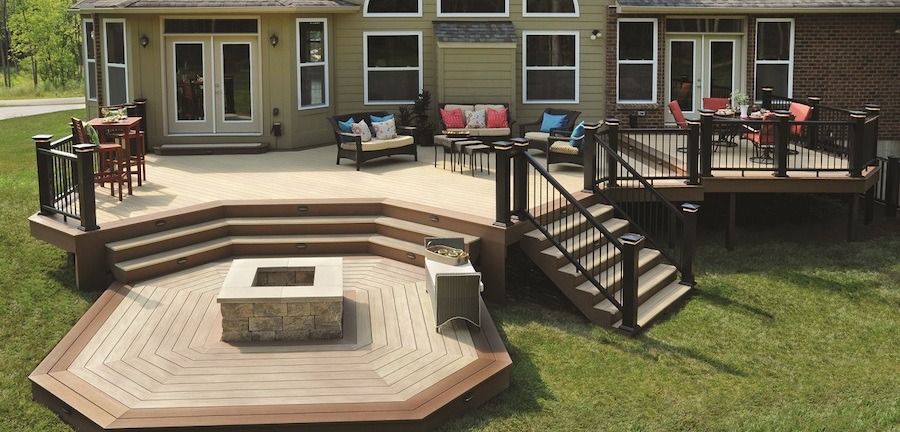
Some properties benefit from both. An upper deck can provide convenient access from the main floor, while stairs lead to a patio below for a fire pit or second seating area. A layered design can make a sloped yard much more useful.
A combined layout may also allow family members to use the backyard in different ways. The deck can function as the primary dining area near the kitchen, while the patio becomes a separate destination for lounging, games, or evening gatherings.
Start With the Property, Not the Product
Begin with a site evaluation that considers elevation, drainage, sunlight, privacy, existing structures, and how you plan to use the space. A patio may require costly excavation or retaining walls, while an existing deck frame may only need new boards, railings, or repairs.
DeckGuru provides deck and patio services throughout Northern Virginia, including inspections, restoration, repairs, replacement, staining, maintenance, and composite upgrades. As a TrexPRO Platinum Builder, DeckGuru can help determine the most practical and cost-effective solution for your property.
Get Expert Guidance for Your Northern Virginia Outdoor Space
The difference between a deck and a patio goes far beyond wood versus stone. The right choice depends on how the structure will connect to your home, respond to the property’s grade, manage water, and support the way you want to live outdoors.
DeckGuru helps Northern Virginia homeowners restore, repair, upgrade, and replace outdoor living spaces. Schedule a free estimate to evaluate your existing deck or discuss the most practical next step for your property.
Frequently Asked Questions
Is a deck more expensive than a patio?
Often, but not always. A basic ground-level patio may cost less than a raised deck with stairs and railings. Premium masonry, excavation, retaining walls, drainage work, or limited access can reverse that comparison. Compare complete designs rather than square-foot prices alone.
Which lasts longer, a deck or a patio?
Service life depends on materials, installation, exposure, drainage, and maintenance. A quality stone or paver patio can last for decades but may need occasional resetting. A properly built and maintained deck can also provide decades of use, especially when its frame remains dry and structurally sound.
Does a patio add as much value as a deck?
Either can add functional and lifestyle value when it fits the property, is appropriately sized, and remains in good condition. The better investment is usually the option that solves a real need for the home rather than the one with the broadest national resale claim.
Can a deck be built at ground level?
Yes. Ground-level decks are common, but they remain framed structures rather than patios. Ventilation, framing clearance, moisture management, and local requirements are still important.
Can You Put a Hot Tub on a Deck or Patio?
Potentially. A deck must be designed for the filled weight of the tub and its occupants. A patio needs a stable, properly prepared base. Electrical work, access, drainage, privacy, and permits may also affect the plan.
Never place a hot tub on an existing deck without first confirming that the framing can safely support the additional load.
Can an Existing Deck Be Converted Into a Patio?
Sometimes, but it is rarely a direct conversion. The deck and its framing must first be removed. The site may then need grading, fill, compaction, drainage improvements, or retaining walls before a patio can be installed.
The feasibility and cost depend largely on the elevation difference between the house and yard. Where the exterior door is significantly above grade, removing the deck may also require new stairs or another safe way to reach the patio.